
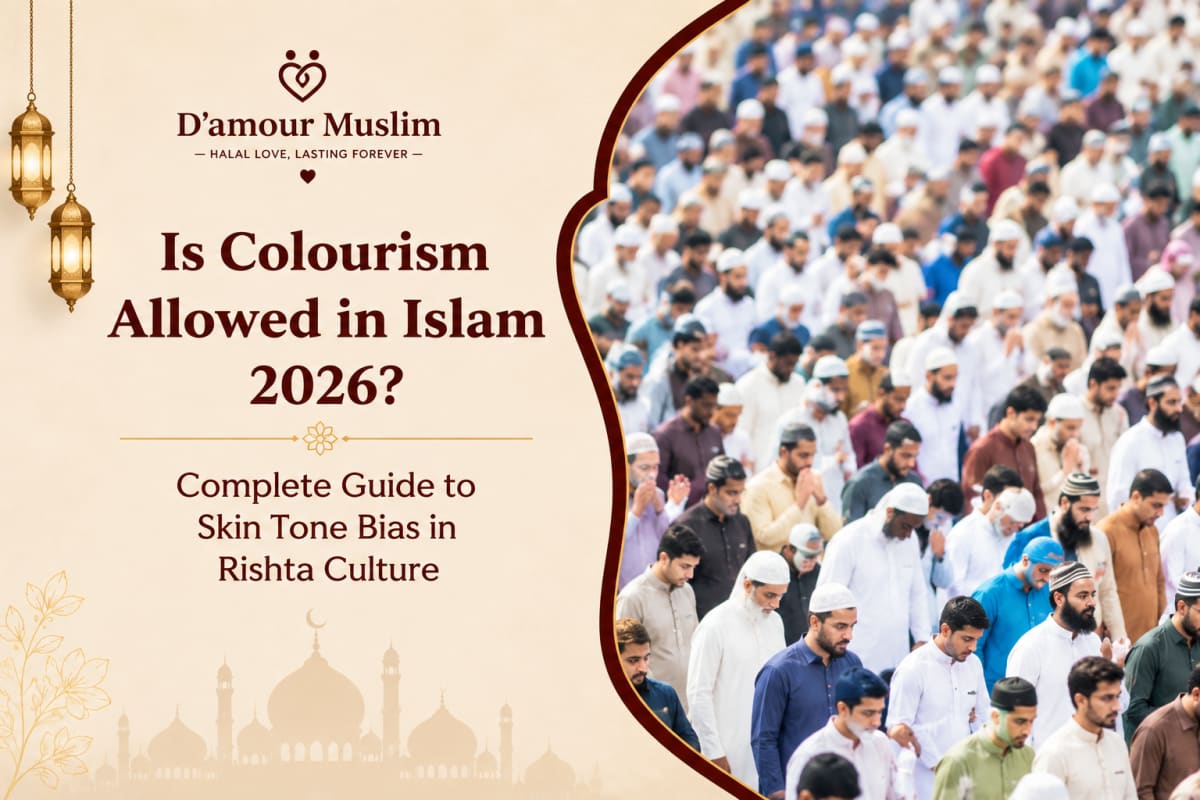
Colorism in Rishta Culture: Why Skin Tone Bias Still Exists and How to Address It
In the process of rishta, some Muslims have to face awkward situations in which their skin color is their primary basis for being judged. One person may be well-mannered, well-educated, well-developed, and have good intentions for marriage; however, the resulting perceptions may be unfair due to appearance. Although the issue of colorism has been discussed, it is still a reserved topic in the Muslim marriage system in some communities, such as Pakistani, South Asian, and British families. According to Islam, the value of a person lies in his/her faith, character, and actions. The nature of a halal marriage and a successful Nikah is centered around respect, kindness, and compatibility.
What is colorism in Rishta culture?
Colorism in Muslim marriage is a situation in which people are treated unequally based on skin color, and usually the lighter the skin tone, the higher the chances of being preferred by young women and men when it comes to marriage. In certain Muslim rishta talks, prominence is given to the appearance rather than the character, values, and personality of the person.
Bias in the skin tone in the Risha culture may clear itself in the form of comments on the color of the skin, comparisons of the color of the skin between brothers and sisters, or the rejection of a proposal of marriage based on the color of the skin. These postures can have a negative impact on Muslim singles emotionally and put needless pressure on them while looking for a Muslim spouse.
Why are there communities of Muslims that still have skin tone bias?
Skin tone preferences can be affected by beauty standards over time, societal influence, family values, and cultural traditions. In some parts of Pakistan, India, and Bangladesh, for example, fair skin is mistakenly associated with beauty, status, or acceptance in society. Additionally, media representation and the traditional perception of appearance within the family are important factors in the perception of appearance. These, however, are ideas of the culture, not teachings of Islam. Many Muslim families in 2026 now have more positive dialogues around marriage in London, Birmingham, Manchester, Bradford, and Leicester, with stronger values.
What does Islam say about skin color and marriage?
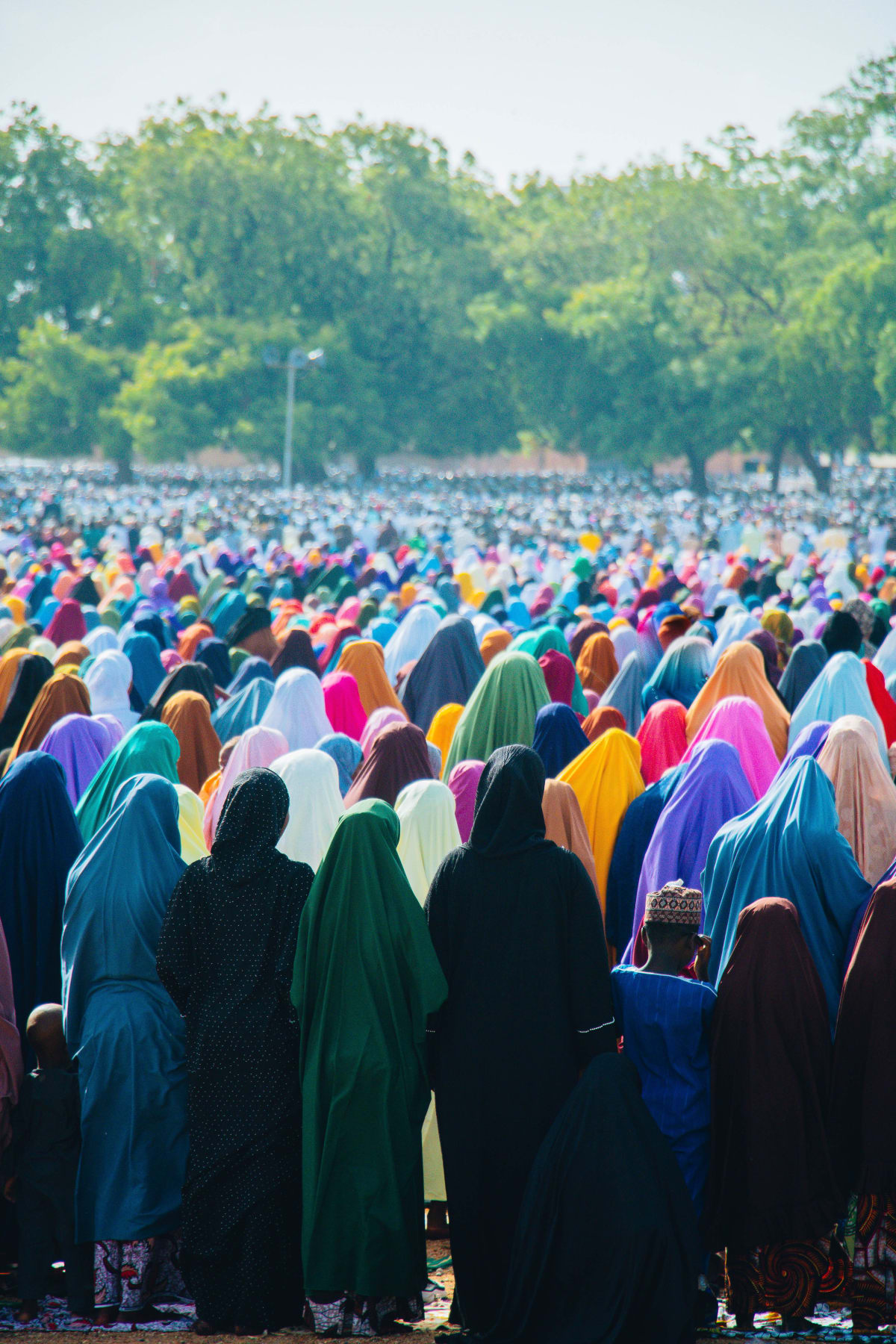
Islam doesn't discriminate among people by skin color, race, or family. Muslims are taught by Islam that they are to strive to gain honor through faith and righteousness alone, as the Islamic concept of beauty and character is based upon this. In the Quran, Allah (SWT) states:
In fact, the noblest of you before Allah is the most righteous of you.” (Surah Al Hujurat 49:13)
This verse is a reminder to Muslims of the importance of Allah's being worth more than appearance; He values taqwa. Islamic teachings suggest considering those factors in the context of a marriage proposal: deen, character, honesty, and compatibility. When you are choosing a Muslim spouse according to the religion of Islam and not appearance, you should realize that beauty is not confined to physical appearance.
How Colorism Affects Muslim Singles During the Rishta Process
People who have suffered rejection of the dates due to skin tone find themselves sad, self-doubtful, and lacking confidence. If someone is continually told that he or she doesn't look good, this can cause him or her to feel that he or she isn't being valued, even if he or she has many positive attributes that make a good marriage. Sometimes young people find themselves facing emotional problems as a result of finding a spouse in the Muslim community and appearance pressure.
The desire to be liked can be overcome with the assistance of parents, friends, and the larger community when a person says to him or herself, “People don't choose me because they like me. In marriage, when confronted with difficult topics, it is important to be supportive emotionally because he or she appears one way but is another.
When picking a Muslim bride, should you take into account skin tone?
There is no refusal that attraction is a part of marriage, and Islam allows for spouses to feel comfortable and be affectionate towards one another. Attraction is not the only measure for choosing a Muslim mate or becoming a discriminator. Factors that compose a strong Muslim marriage are faith, kindness, emotional maturity, communication, and common goals. Physical compatibility is only a part of being compatible; however, it is not a reason to make unfair assumptions about someone and should not be a reason to overlook someone's personality. Marriage compatibility is gained from knowing each other's values, lifestyle, and intentions to establish a peaceful Islamic marriage.
How can parents avoid color bias in marriage decisions?
Parents are important in setting up a healthy matrimony environment. They should not make comparisons between children or even give a turn-down to an acceptable offer due to skin tone.
Rather than emphasizing the importance of beauty standards among S.A. Muslim families, parents can encourage their children to think of important qualities, like being honest, responsible, religious, and polite. In the case of a rishta, it is important to inquire from the family if the person has a good character and if both of them can have a future together in a dignified manner.
Creating a Better Relationship Culture based on Islamic values
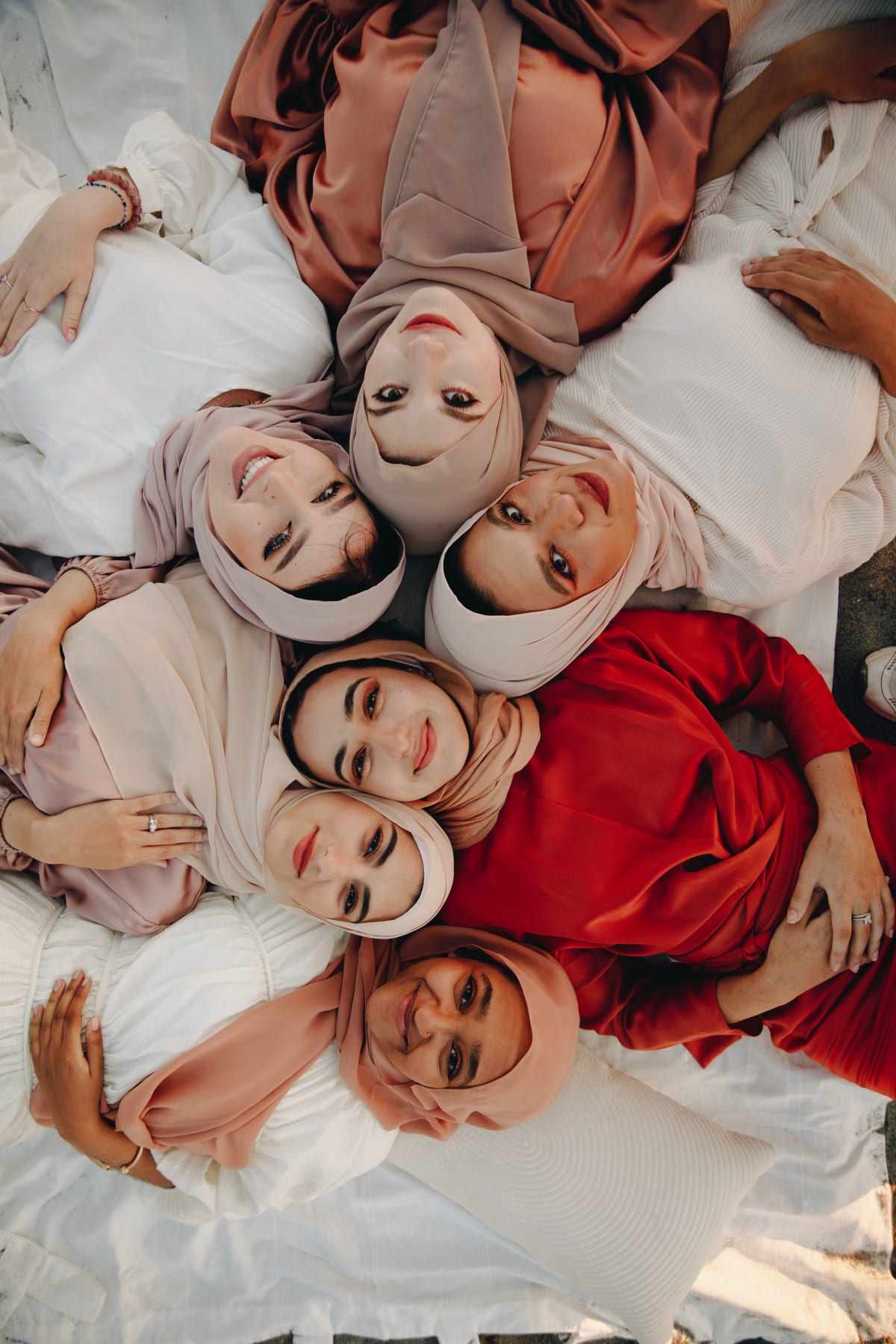
A better rishta culture starts with the family and their actions based on Islamic values—fairness, kindness, and respect. All people have the right to dignity, no matter how they look or what they are.
Muslims of the world and those who live in Canada, the USA, Australia, the UAE, and Europe can make a difference in their own communities by passing on their values to the younger generation and teaching them that character is more important than the expectations of society. The Islamic value of marriage is that it is based on fairness and good intentions. Never ignore a person's faith, personality, or ability to become a good spouse because of his/her color.
Finding Serious Muslim Matches Beyond Appearance Judgments
When families and individuals can concentrate on attributes that matter, it makes it easier to find an appropriate Muslim mate. These trusted Muslim marriage sites can assist you in finding significant partners who share your values and marriage plans. There are platforms that have verified Muslim marriage profiles, clear expectations, and family involvement, which can assist Muslims in their search for a halal marriage opportunity. When it comes to the purpose of finding a wife in the United Kingdom, Pakistan, India, Bangladesh, Canada, the USA, Australia, or the UAE, it must always be compatibility and good intentions.
Follow our WhatsApp community
If you're looking for real-time relationships, you can find a supportive Muslim community to make the rishta journey easier. Get access to the biggest Muslim marriage group website and meet with real Muslim people looking for a genuine Muslim match.
Contact:
07831899605
+447831899605
You can find our exclusive international WhatsApp groups for Muslims in London, Birmingham, Bradford, Bristol, Leeds, Liverpool, Nottingham, Glasgow, Manchester, the United Kingdom, Pakistan, and more! Members may be able to discover serious marriage prospects every day in a respectful Muslim marriage community.
Website Sign Up
Visit https://damourmuslim.com/. Register for free, make your own Muslim dating profile, include your tastes, and upload your values and expectations. D’amour Muslim is a reliable matrimonial site for Muslims, one of the largest Muslim marriage websites that connects single Muslim women and men and families from the UK, Pakistan, India, Bangladesh, and around the world.
Frequently Asked Question
What does colorism mean in Islamic marriage?
Colorism is discrimination against people based on skin color when it comes to marriage in Muslim marriages. The Islamic principle does not permit discrimination due to physical appearance; Islam places more emphasis on character and faith.
Is there any permission to judge a person by his skin color in Islam?
Judging people on the basis of skin color is not encouraged in Islam. In the eyes of man, it is not "looking" that makes a man valuable, but righteousness, good manners, and deeds.
Why do some cultures have a preference for fair skin?
Past cultural, social, and beauty norms can also lead to a preference for fair skin. People with a preference for fair skin may have cultural or social preferences or may be influenced by previous beauty standards. These are only customs and not a requirement of the Islamic law of marriage.
What is the Islamic guidance on choosing a spouse?
When choosing a spouse for families, consider deen, character, compatibility, and emotional understanding. While appearance can be taken into consideration, it cannot be a trait that is lacking for a successful marriage.
What is the link between colorism and marriage?
Yes, colorism has the potential to impact some marriage choices and cause emotional harm. Families need to refrain from passing judgments and adopt values that would lead to a healthy relationship.
What matters in a marriage between a Muslim husband and wife?
The good Muslim husband should have these attributes: faith, kindness, honesty, respect, and good communication. These are the attributes for building up a good and stable Nikah.
Conclusion
Muslim marriage culture can be a problem of colorism, which can be solved with understanding, kindness, and Islamic awareness. A good Muslim marriage is not made on skin color; it is made on faith, good character, respect, and compatibility. Muslim families in 2026 are expected to drop any prejudiced idea and make a fair and wise decision when receiving marriage proposals from others. There should be dignity and respect for everyone throughout the rishta.
Muslims can cultivate a more healthy marriage culture based on sincerity and understanding by following Islamic values and emphasizing good qualities. Create your free account on D’amour Muslim today and become a part of the biggest community of Muslim marriage on WhatsApp. Meet real Muslim singles and families that are looking for real halal marriage opportunities in the UK, Pakistan, and the world. Start your marriage journey with a reliable Muslim matrimonial site based on faith, matches, respect, and good relationships.